
Alaska Fish & Wildlife News
October 2004
Future Biologists Get Hands-On Experience
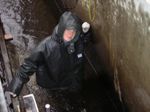
In a remote outpost on the Kuskowim River this summer, student intern Laura Boomershine implanted chinook salmon with radio tags. Ramona Baker graduated this spring from Nikiski High School and spent the summer counting spawning salmon, collecting eggs and trapping and marking smolt.
These young women are two of about 20 students around Alaska involved in internship and education programs through the Alaska Department of Fish and Game's Division of Sport Fish, programs that are helping ...
ADF&G Interns ArticleContinued
Thousands of Murrelets
Students Help Monitor Marbled Murrelets in SE AK
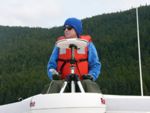
Peering through binoculars, I watched as scores of marbled murrelets streamed out of Snettisham Inlet, 30 miles south of Juneau.
In mid-July I joined Alaska Department of Fish and Game biologist Matt Kirchhoff and four university interns to conduct a day-long survey of murrelets near the inlet's mouth. Kirchhoff had been running boat-based transects in Stephens Passage for several weeks and had observed large murrelet concentrations. Snettisham seemed to be a hot spot and Kirchhoff was ...
Murrelets ArticleContinued
Fish and Wildlife Management
Who Makes the Rules?
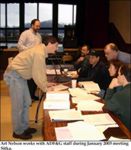
Alaska has a unique fish and game regulatory process that, perhaps more than any other state, allows for public participation in the development of regulations. This public process stems from the strong emphasis placed upon fish and wildlife resources in the Alaska State Constitution. The process involves thousands of Alaskans each year as they propose changes to the rules that govern the taking, use, and protection of the fish and wildlife in this state.
When Alaska assumed management ...
F&G Management ArticleContinued
Original Alaska Names by the Original People
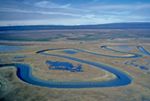
When Europeans began exploring Alaska in the late 18th and 19th centuries, the Upper Cook Inlet region was home to dozens of Dena'ina (Tanaina) Athabaskan villages. The people of the region were supported by the same rich and diverse fish and wildlife resources Alaskans enjoy today.
The familiar natural features of the area – rivers, lakes, bays, ridges, mountains and passes – all had Dena'ina names, which passed from generation to generation through an oral tradition of stories and songs. ...
Place Names ArticleContinued